Designing for the Real World: The Crucial Role of Functional MVP Prototyping
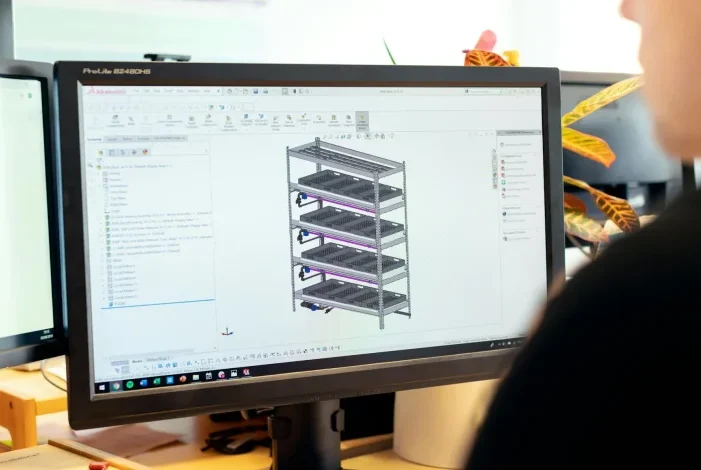
When developing a physical product, there is a massive difference between how a concept behaves on a digital screen and how it performs in the hands of a real user. While 3D CAD models are essential for mapping out initial schematics, true validation only happens when your product enters the physical realm as a Minimum Viable Product (MVP) prototype.
Building a functional, physical prototype is the ultimate litmus test for any new invention. It transitions your idea from an abstract concept into a real-world tool that can be handled, tested, and refined.
1. Ergonomics, Scale, and Human Interaction
One of the hardest elements to judge in a purely digital environment is human scale. A product casing might look perfectly proportioned on a monitor, but feel bulky, uncomfortable, or awkward when physically held.
An MVP prototype allows you to evaluate the ergonomics of your design. It lets you answer vital questions: Is the button placement intuitive? Is the weight distribution balanced? Does the device fit naturally into its intended environment? Experiencing the product physically is the only way to perfect the user experience (UX) before locking in expensive production molds.


2. Electrical and Mechanical Performance Testing
For modern electronic devices or mechanical products, an MVP prototype is where your internal architecture is put to the test.
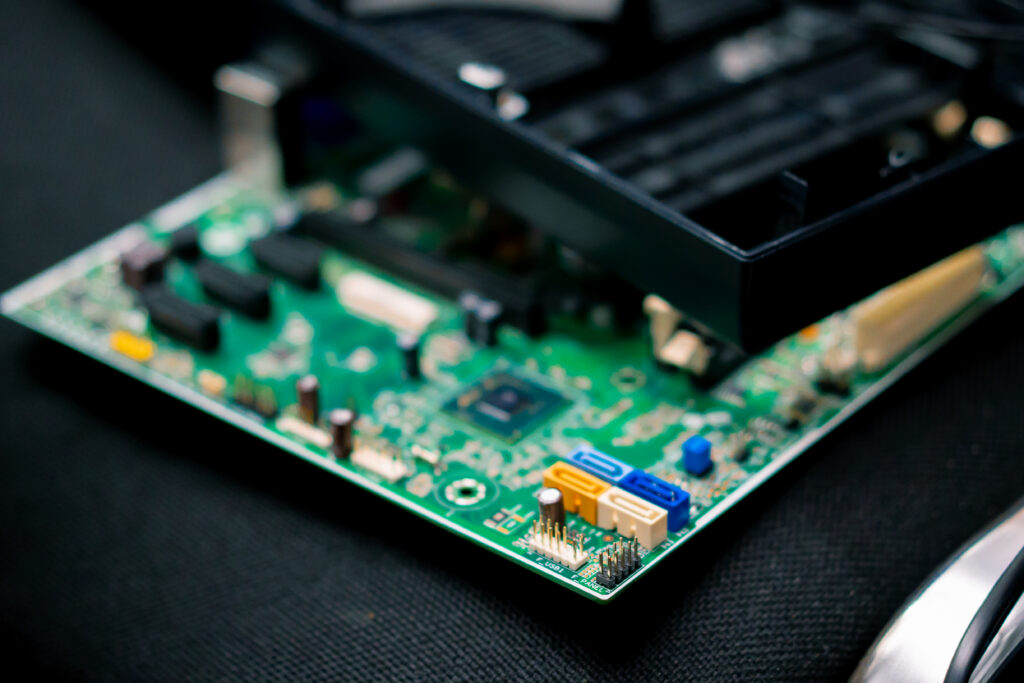
By fabricating a physical model, engineers can drop in real PCBs (Printed Circuit Boards), route internal wiring, and test thermal management. This phase allows you to verify that sensors communicate correctly over Bluetooth, battery components fit snugly into the housing without overheating, and mechanical latching mechanisms operate smoothly under repeated use. Finding and fixing these physical constraints early prevents catastrophic product recalls later.
3. High-Value Assets for Investors and Stakeholders
If you are seeking capital, licensing deals, or manufacturing partners, showing up with a 3D animation is rarely enough to close the deal. Investors see dozens of ideas on paper every day; they want to see execution.
Handing an investor a physical, functional prototype that they can turn on, interact with, and watch operate completely changes the dynamic of the conversation. It proves your concept works, demonstrates that you have bypassed the riskiest phases of early development, and drastically lowers their perceived investment risk.
Moving From Blueprint to Reality
An MVP prototype isn't meant to be the final consumer-packaged version of your product—it is a functional bridge designed to gather data, prove your engineering logic, and secure your intellectual property. By moving your project off the screen and onto the laboratory workbench, you clear the path for successful mass manufacturing.