Breaking Down Bluetooth: Integrating Smart Connectivity into Hardware Prototypes
In today’s product landscape, hardware rarely stands alone. From wearable medical monitors to secure biometric access devices, the demand for connected, data-driven hardware is at an all-time high. Introducing wireless capabilities—most commonly via Bluetooth Low Energy (BLE)—completely transforms a physical item from a static device into an intelligent ecosystem.
However, adding a wireless link introduces unique engineering layers. Successfully bridging the gap between physical sensors, internal microcontrollers, and external mobile applications requires a deliberate, step-by-step development strategy.
1. Selecting the Right Hardware Architecture
The first step in building a smart prototype is selecting an embedded system that supports your communication needs without draining your power source.
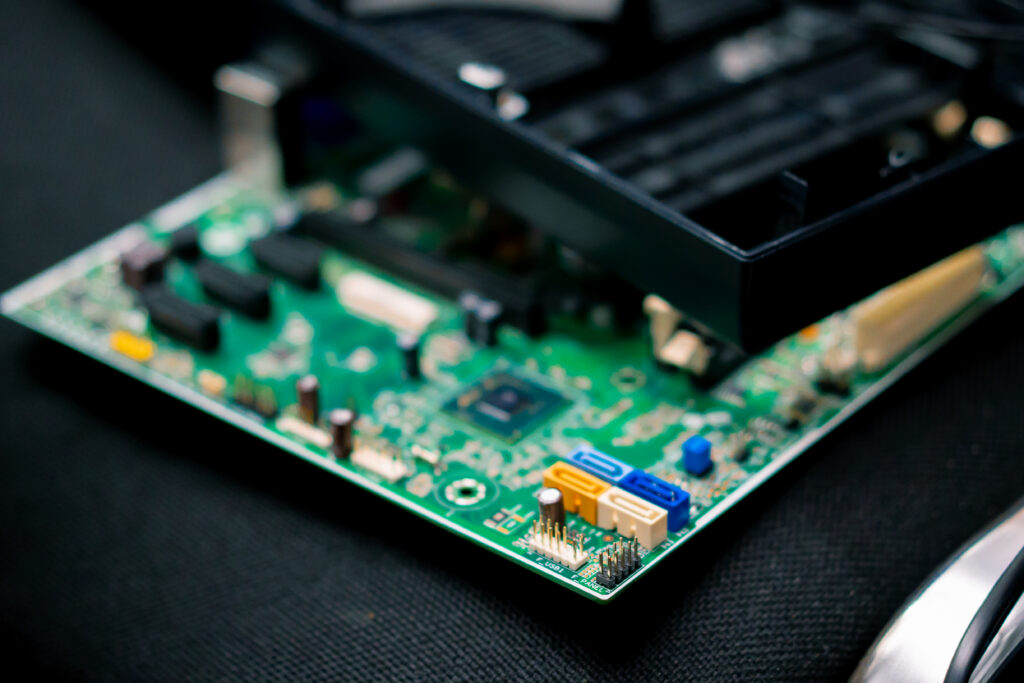
For compact devices, engineers look to integrated microcontrollers (like the ESP32 or Nordic nRF series) that house both the processing core and the Bluetooth antenna on a single, tiny chip. Choosing an all-in-one component keeps your internal footprint minimal, lowers power consumption, and ensures you have enough physical space inside your product casing to lay out clean wiring networks.


2. Managing the Physical Architecture & Internal Wiring
Once your wireless microchips are selected, the physical layout of your prototype's interior becomes a major engineering focus.
Unlike purely mechanical items, smart hardware needs to safely house delicate electronics, route custom internal wiring, and maintain accessible ports (like USB-C) for firmware flashing and charging. During the prototype assembly phase, engineers build exposed structural configurations to verify that internal components sit snugly, wires are protected from thermal stress, and the placement of the internal antenna isn't blocked by shielding materials or metal enclosures.
3. Creating the Digital Handshake: Firmware to Mobile UI
A wireless hardware device is only as good as the software it communicates with. The final layer of development is establishing the digital handshake between your prototype's embedded firmware and a mobile interface.
Engineers write custom code that translates raw sensor data (such as biometric inputs or transducer signals) into clean data packets sent over the air. On the other side, a mobile app UI reads these packets, displaying real-time statistics, battery status, or operational logs to the user. Seeing a physical prototype instantly trigger a change on a smartphone screen is the ultimate proof-of-concept for investors and future users.
Engineering for a Connected Future
Adding smart connectivity to a physical invention increases its market value, opens the door for advanced user tracking, and prepares your product for the modern digital marketplace. By validating both your internal wiring layout and your mobile software connectivity early in the prototyping sprint, you ensure a reliable, scalable foundation for your smart technology.