Protecting Your Idea: 3 Vital Steps to Safeguard New Product Innovations
For independent creators and entrepreneurial developers, the moment of conceptual breakthrough is incredibly exciting. Whether you have designed a groundbreaking medical monitoring device, a biometric security application, or a unique recreational consumer product, your intellectual property (IP) is your most valuable asset.
However, a brilliant idea is highly vulnerable if it isn’t properly insulated. Before you step out into the market to pitch investors, consult with engineering facilities, or approach manufacturing lines, you must establish an intentional protection strategy.
Here are three non-negotiable steps every independent inventor should take to secure their innovation from day one.
1. Implement Strict Non-Disclosure Agreements (NDAs)
Before sharing a single structural blueprint, material breakdown, or operational description with any third party, ensure a comprehensive, mutual Non-Disclosure Agreement is signed.
An NDA legally binds the recipient—whether they are a design freelancer, an engineering lead, or a strategic advisor—to absolute confidentiality. Reputable product development facilities will gladly sign an NDA prior to reviewing your proprietary sketches or dimensional notes. If a potential partner hesitates to execute a standard confidentiality agreement before a deep technical review, consider it an immediate red flag.


2. Document Your Entire Development History
In the world of patents and intellectual property, clear documentation is king. You should maintain a meticulous, time-stamped history of your product's evolution.
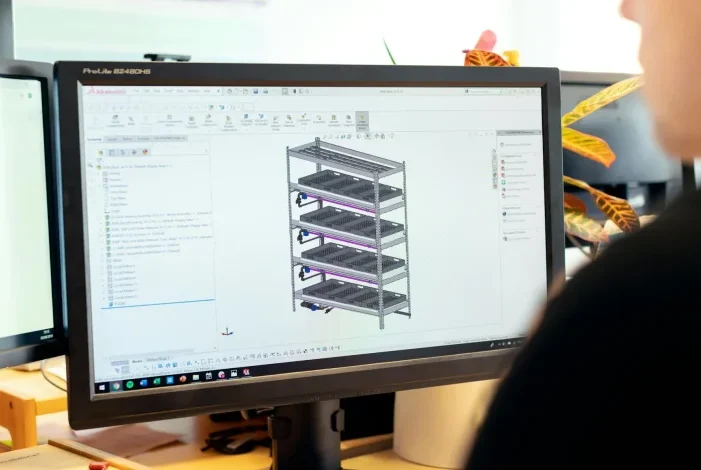
Keep every early design iteration, including your rough initial sketches, digital 3D CAD adjustment logs, and physical test validation notes. If you work alongside a development agency, ensure that all assets are created under a clear, written "Work-for-Hire" contract. This contract must explicitly state that 100% of the digital blocks, internal architectures, and physical prototypes developed belong entirely to you from the moment of creation.
3. Align with Trusted Inventor Ecosystems
Navigating the road from concept to commercial product can be isolating, which is why aligning your project with verified inventor networks is so impactful.
Ecosystems like InventorSmart provide structured pathways that guide creators safely through the complex phases of market evaluation, intellectual property education, and strategic scaling. When your engineering workflows are fully synchronized with trusted community guidelines, it ensures a frictionless, secure handoff from early concept validation right into hardware engineering and physical prototyping.
Secure Your Foundation
True innovation requires a balance of creative engineering and rigorous data security. By wrapping your product in a framework of legal safety, meticulous asset tracking, and strategic community support, you ensure that you maintain complete ownership of your creative breakthroughs as they move toward the commercial market.